






A medical alert scam device is a lifeline for many seniors and their families. It means safety and freedom. Sadly, this feeling of safety is what scammers are now taking advantage of. A worrying rise in phone calls from medical alert scams is targeting older people in the US, Canada, the UK, and Australia. These scams use aggressive robocalls, pretend to be Medicare officials, and make false “free device” offers to steal money, collect personal information, and cause a lot of emotional pain. This educational guide, which is based on information from official consumer protection sources, will explain how these medical alert robocall scams work, show you the common scripts they use, and give you a clear, calm way to verify, block, and report them. We don’t want to scare you; we want to give you information, which is the best way to protect yourself from fraud.
What Are Phone Calls That Are Medical Alert Scams?
Scam phone calls about medical alerts are unsolicited, fake calls that offer medical alert devices, services, or related benefits. They usually come from automated robocalls or live imposters. The main part of the scam is to use people’s trust in government programs and healthcare institutions to steal money or identity. Scammers often lie about being connected to well-known organizations. One common example is the Medicare medical alert phone scam, where they pretend to be government officials. The basic idea is almost always false: the person calling is not from a real medical alert company, Medicare, or your hospital. They don’t want to help you; they just want to get something of value from you.
These scams are a type of vishing (voice phishing) that tries to make you feel like you have to act quickly, be afraid, or miss out on a great chance. The first step in building a strong defense is to know that these calls are illegal, predatory, and all too common. The next step is to know the exact tactics they use. Free device and refund offers are common ways that scammers try to get you to fall for their tricks. Scammers use scripts that mess with people’s minds to get them to fall for their tricks. You can quickly spot and hang up on a scam call if you know these common baits.
The “Free” Medical Alert System Scam
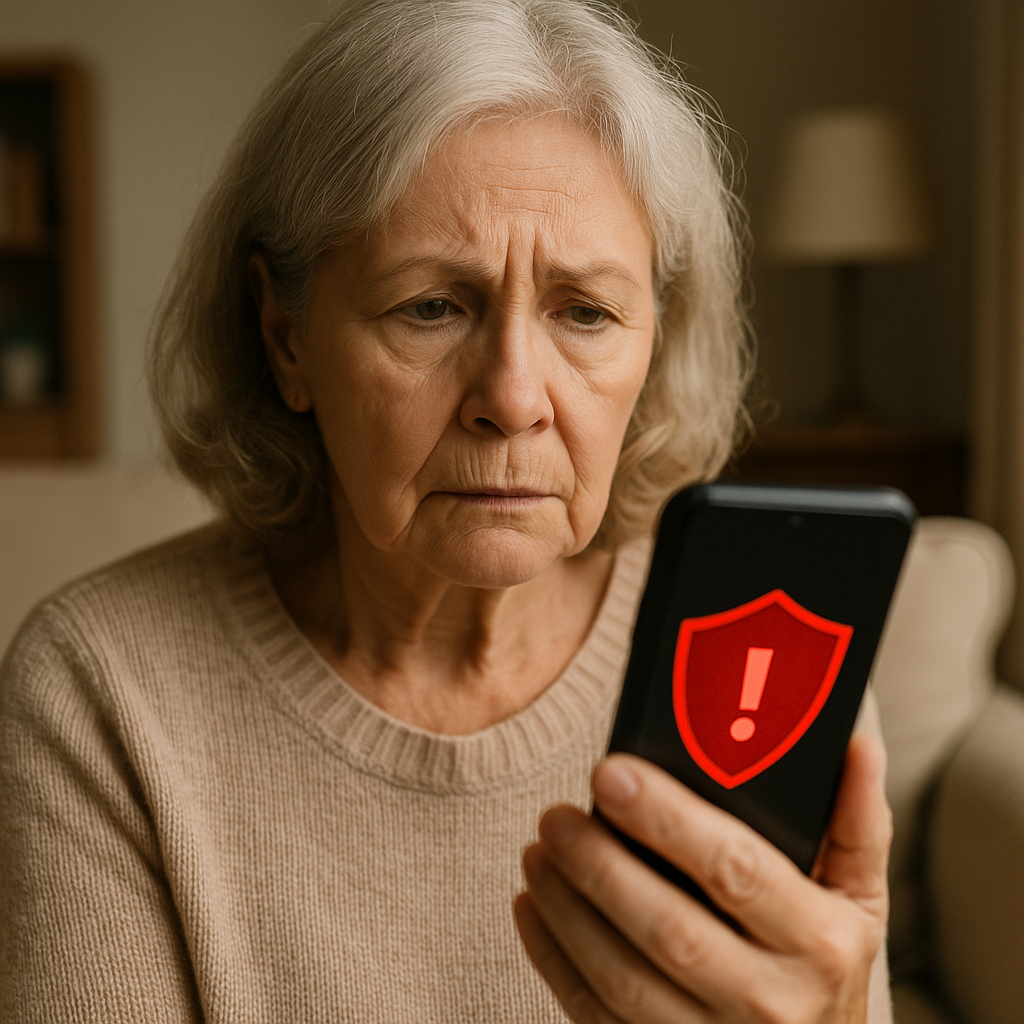
This is one of the most common methods. You might get a robocall or a live call saying that you have been “approved,” “selected,” or “eligible” for a free medical alert system. The catch is that it doesn’t cost you anything, which is often because of a fake “grant,” “government program,” or “partnership with your health insurance.”
The catch, though, is in the small print. The scammer will later say that the device is “free,” but you have to pay a high monthly fee to keep an eye on it, which is usually much higher than what you would pay in the real world. In more aggressive versions, they might ask for a “activation fee” or “shipping and handling” costs up front. Some victims say they got medical alert equipment they didn’t ask for, followed by nonstop calls and bills for a service they never agreed to pay for. This is called the unsolicited medical alert package scam.
The Scam of the Fake Refund or Warranty Renewal
In this complex scheme, the scammer calls you and says you need to get a refund for a medical alert device you already own or that the warranty on your current device is about to run out. This medical alert refund scam call or medical alert warranty robocall is meant to confuse the person who gets it.
The person on the other end of the line will sound official and say they need to check your identity and bank account or credit card information in order to process the “refund” or “renewal.” In reality, they are stealing your financial information. They could also “verify” your address to send you a “replacement” device, which would put you in the same subscription trap as the “free” device scam.
The Medicare or Hospital Imposter Scam
This trick takes advantage of the trust and authority that people have in healthcare providers. The person on the phone may say they are from “Medicare,” “your local hospital,” or even a fake “Health Services Department.” They say that Medicare is giving all beneficiaries free lifeline medical alert systems to stop falls or emergencies.
To “process your order,” they will need your Medicare number, Social Security number, and other personal information. It’s important to remember that Medicare will never call you out of the blue to offer or sell medical alert devices. In this case, giving out your Medicare number is like giving someone the keys to your identity and benefits, which opens the door to huge Medicare scams and identity theft.
Examples of Common Robocall Scripts
To spot these scams more easily, it’s helpful to know how their conversations usually go. These are composite, educational summaries based on common patterns that consumer agencies have reported, not word-for-word transcripts.
Robocall 1: “Free for Seniors”
- “Hello, this is an important alert for all seniors in the [Your Area] community. You have been pre-selected to receive a state-of-the-art medical alert system at absolutely no cost to you. This device can save your life in an emergency. To claim your free device, press 1 now to speak with a security consultant.”
- If you press 1, a live agent will follow up. They will repeat the “free” offer, but then they will say that to “activate the 24/7 monitoring service,” they need your credit card information for a “small monthly fee” or a “one-time activation charge.” They will pressure you to act right away, saying that the offer is “time-sensitive.”
Script Summary 2: The “Medicare Approval” Fake Call
- Caller: “Good morning, I’m calling from the Medicare Benefits Division. We’re starting a new program to give all seniors a free emergency medical alert bracelet to keep them from going back to the hospital. To ship you your free medic alert bracelet, I just need to make sure you’re eligible by confirming your full name, date of birth, and Medicare number.”
- The Hook: The person on the other end of the line sounds like a professional and uses language that sounds official. The main goal of asking for your Medicare number is to use it to bill Medicare for services that were never provided.
Script Summary 3: The “Urgent Warranty Renewal” Scam
- Robocall/Live Call: “This is your last chance to renew your medical alert system warranty. If you don’t do it today, your device will stop working and you will lose all emergency protection. To talk to a representative and avoid service interruption, press 1 now.”
- The Hook: This script plays on fear and urgency. The scammer wants you to be so worried about your safety that you don’t even think about whether you have a device from their “company.” Their goal is to get your payment information or a payment for a “renewal” for a device you don’t own.
How Caller ID Spoofing and Robocall Technology Work?

You might be wondering how these con artists get away with it so easily. Caller ID manipulation, also known as caller ID spoofing, is one of their most important tools. Scammers can use this technology to change the information that is sent to your caller ID display. They can make it look like the call is coming from a local number, a real company, a government agency like “Medicare,” or even a warning about “Spam Risk” to get you to answer.
This is one of the main reasons why you can’t trust caller ID by itself. Robocall spoofing is when the number you see is made up. These calls are usually made with autodialer systems that can send out thousands of calls every hour to a wide range of phone numbers without caring who they are.
Regulators have put STIR/SHAKEN authentication into place to fight this. This protocol helps make sure that the caller ID information is real. This has cut down on the number of fake calls, but they still happen. Scammers are always changing, so it’s more important than ever for people to be aware and use call-blocking technology.
Who Scammers Go After: Seniors, Medicare Users, and Caregivers
The people these scams go after are not random; they are very specific. Older adults are the main victims of senior medical alert phone scams, especially those who:
- Are a part of Medicare or another government health program.
- Live by yourself and might appreciate the safety a medical alert device gives.
- Have had medical problems or falls in the past, which makes the offer seem very relevant.
- Might not know as much about modern scams and tools that help stop robocalls.
- are on the Do-Not-Call Registry, which scammers break the law by ignoring.
In addition, caregivers and family members are also indirect targets. Scammers might call them and say that a relative has asked for information or is eligible for a device, which would make them confused and worried. Knowing that you or a loved one is on a scammer’s list not because of anything you did wrong, but because you fit into a group they target, can help you get rid of any shame or embarrassment you may feel about getting such a call.
How to Check That Medical Alert or Medicare Messages Are Real?
So, how do you know if a message is real or a scam? The most important thing is to start and check.
Legitimate medical alert companies usually don’t use aggressive, unsolicited cold calls, especially robocalls, as their main way to sell. If you want a medical alert device, you should be the one to contact the companies. Do some research, read reviews, and call them directly. Read MEXQuick Blogs Here
If you get a call and don’t know what to do, do these things:
- Stop talking right away. Do not press any buttons, even to “unsubscribe,” because this could confirm that your number is active and lead to more scam calls.
- Start a call back. If you’re worried that the call might be real, look up the company’s or agency’s official customer service number on their website or on your past billing statements. Do not call any of the numbers the caller gives you.
- Get in touch with Medicare directly. If you get a call that says it’s from Medicare, hang up and call 1-800-MEDICARE (1-800-633-4227). A real Medicare representative can tell you if the message was real.
- Talk to Someone You Trust. Talk about the call with a friend, family member, or caregiver. Getting a second opinion can help you see things more clearly and keep you from making a hasty choice.
Keep in mind that no real company will pressure you to pay right away or give them personal information over an unsolicited phone call.
How to Stop or Block Medical Alert Scam Calls?
It’s hard to stop all unwanted calls, but you can make them much less frequent and annoying by taking steps ahead of time.
- Put Your Number on the National Do-Not-Call List: Go to DoNotCall.gov and add your home and cell phone numbers. It won’t stop illegal scammers, but it will cut down on calls from real telemarketers.
- Use the built-in features of your phone: Most smartphones have settings that let you silence or send unknown callers straight to voicemail. Look in the “Phone” settings on your device for options like “Silence Unknown Callers” on an iPhone or “Call Screen & Block” on an Android.
- Use the tools your carrier provides: Most major phone companies offer free services to help stop robocalls. Call your provider (like T-Mobile Scam Shield, AT&T Call Protect, or Verizon Call Filter) to find out what tools they offer to find and block spam.
- Think about using a call-blocking app. Third-party apps like Nomorobo, Hiya, and Truecaller can help you find and block numbers that are likely to be spam calls. A lot of them have free versions that work well.
- Be disciplined: your own behavior is the most powerful tool. If you don’t know the number, let it go to voicemail. A real caller will leave a message. If you answer and find out it’s a scam, hang up right away without talking to them.
How to Report to the FTC, FCC, and Local Consumer Agencies?
It is very important to report these scams. It helps police keep an eye on scam trends, build cases against fake businesses, and keep people safe. You can safely report without worrying about getting back at someone.
- The Federal Trade Commission (FTC) is the main government agency that protects consumers. You can make a complaint online at FTC.gov/complaint. Your report goes into the Consumer Sentinel Network, which is a database used by police all over the world.
- The Federal Communications Commission (FCC) is in charge of communications between states. If you have a problem, you can file a complaint with them. You can file a complaint at FCC.gov/complaints if you are worried about caller ID spoofing or Do Not Call violations.
- Tell your state’s attorney general’s office: The consumer protection division in your state is very interested in stopping fraud against the elderly. The National Association of Attorneys General website can help you find your state’s office.
- Tell the AARP Fraud Watch Network: The AARP has a helpline that anyone can call, not just members. Call 1-877-908-3360 to report scams and get help.
When you report, write down the date and time of the call, the number that showed up on your caller ID (even if it’s fake), and a short summary of what the caller said. You don’t have to have fallen for the scam to report it; your information is still useful.
Do-Not-Call Enforcement and Legal Actions
You might have heard about lawsuits against telemarketers and wondered how they work. The FTC and FCC can sue companies under the Telephone Consumer Protection Act (TCPA) and impose big fines on companies that break the rules, such as making illegal robocalls and ignoring the Do-Not-Call Registry.
These enforcement actions often go after the gateways that let international scam calls into the U.S. phone network and the domestic carriers that help them get through. Even though these legal processes are complicated, the most important thing for consumers to remember is that there is a strong legal system in place to punish bad people. Your reports help these groups find the worst offenders and get victims their money back when they can.
Tips for Seniors and Families on How to Stay Safe
To stay safe from medical alert scam phone calls, you need to be constantly on the lookout and learn more. These are the most important points:
- Be cautious of “free” offers. If it sounds too good to be true, it probably is. There is no medical alert system that is completely free and has no strings attached.
- Protect Your Privacy: Never give your Medicare number, Social Security number, bank account number, or credit card number to someone who calls you without asking.
- If they pressure you, that’s a red flag. Real businesses give you time to think. It’s a scam if the person on the other end of the line wants you to do something right away.
- Hang Up and Check: This is the best thing you can do. Just hang up.
- Talk About It: Talk to older family members and friends about these scams in a clear way. Protecting seniors from fraud is a job for everyone. Talk about what to do if they get a suspicious call and share articles like this one.
- Use Technology: Your phone and carrier give you call-blocking tools that you can use to protect yourself.
Conclusion
The rise of medical alert scam phone calls is a big problem, but it’s not one that can’t be solved. You can take away these scammers’ power by knowing the common tricks they use, like the “free” device traps, the Medicare imposter calls, and the fake refund offers. Keep in mind that their scripts are based on fear, urgency, and fake authority. You should stay calm, doubt what they say, and make a decision: hang up, block, and report. We think you should talk about this with the older people in your life. A simple talk about being aware of scams can be the best protection. Education is, and always will be, the best way to protect yourself from vishing and elder fraud.