
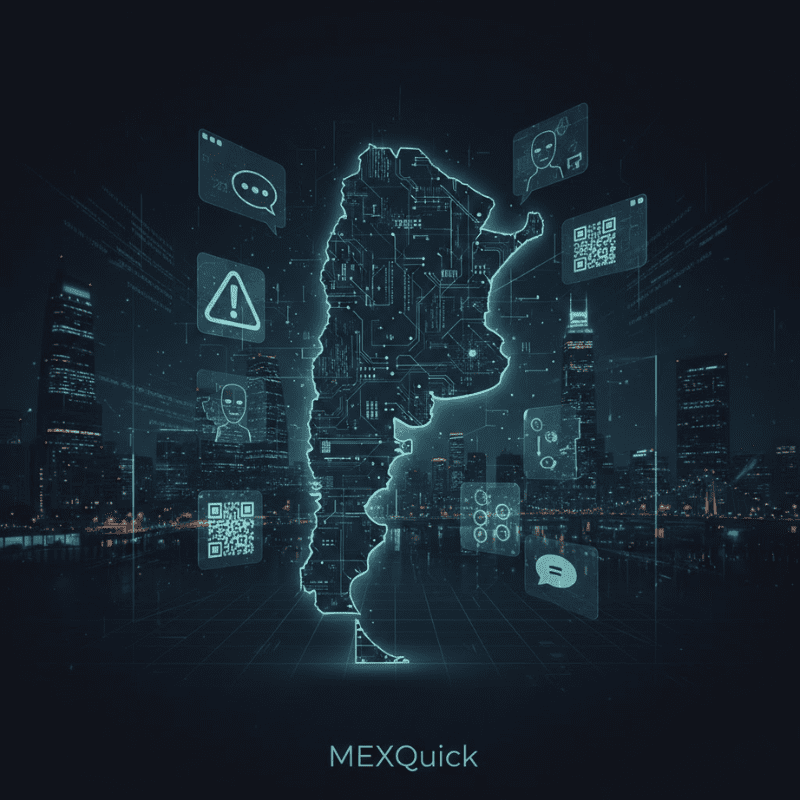
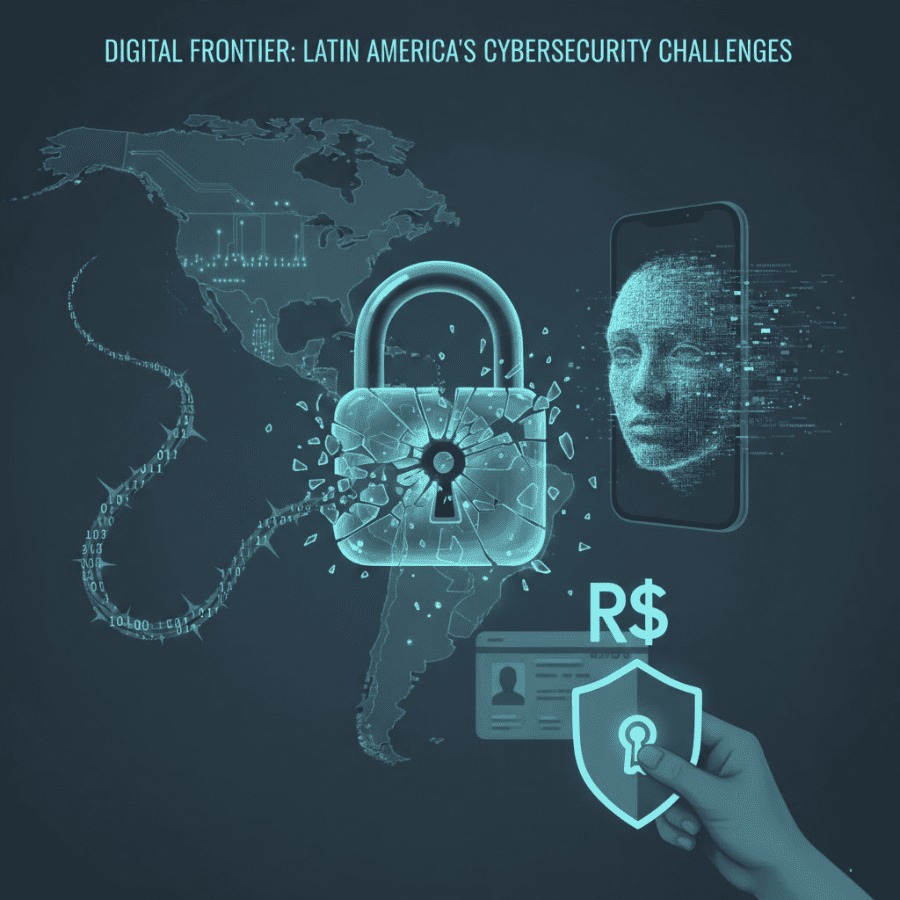



Argentina crypto scam is a very important place for people to start using cryptocurrencies because of high inflation, unstable pesos, and the widespread use of stablecoins. These conditions have also created a complex and evolving crypto fraud environment.
This report gives a strict look at public safety and fraud prevention. It talks about the most recent trends in Argentina crypto scam, shows where the most dangerous areas are, and gives a clear, actionable plan for security without any ads or financial advice.
A Look at the Argentina Crypto Scam of 2025
The trends in Argentina crypto scam for 2025 show that the market is under attack. The convergence of near-universal stablecoin usage for daily transactions and the complex blue dollar exchange landscape has created unique vulnerabilities. Scammers have gotten smarter and can do more than just phishing. Today, scams use stories that work on multiple platforms, fake banks, and advanced social engineering that plays on people’s worries about the economy in their area.
New Scam Variants Take Advantage
The main reasons are the widespread use of QR-code payments, the reliance on peer-to-peer (P2P) platforms, and the search for high returns in a time of high inflation. The newest digital scam 2025 types are automated, personalized, and very believable. They often use fake news articles or forged regulatory (AFIP/BCRA) communications to make themselves look more real.
Regional Hotspots and Localized Scam Patterns
In Argentina, crypto scams are not evenly spread out. Scammers take advantage of how people act in their own economies and online.
Buenos Aires (CABA and GBA)
Buenos Aires is the main target of advanced exchange impersonation schemes and fake trading services because it is the financial and digital center of the world. In the capital region, scams often use cloned platforms, fake algorithmic trading bots, and advanced brand-spoofing campaigns that target professionals and people with high incomes.
Córdoba
The strong technology sector in Córdoba has unintentionally led to more account takeovers through SIM-swapping. Criminals use social engineering to get around mobile carrier protections, switch phone numbers, and empty exchange accounts. There have also been more fake mining offers and speculative presale schemes in the area.
Rosario
Rosario has a long history of informal finance, which makes cash-based crypto transactions riskier. Street-level cash-for-crypto deals often end in robbery or the use of fake payment confirmations, which show victims fake “successful” transfers that never actually go through.
Mendoza
Mendoza has become a hot spot for investment fraud in the mining industry, such as selling fake or broken hardware and fake cloud-mining contracts. Token presales have also been used to target local business owners, and they often end with sudden withdrawals of funds when enough money is raised.
How Crypto Scams Work in Argentina Right Now
To understand the threat in Argentina, you need to know that there is a very organized criminal industry that has carefully changed its methods to fit the country’s unique economic pressures and digital habits. These crimes aren’t random; they’re planned out and take advantage of the fact that people are in a hurry because of rising prices, trust social media too much, and the complicated blue dollar exchange culture. To protect yourself, you need to know how they play the game.
Social engineering and taking advantage of digital trust
The first and most damaging layer of attack doesn’t go after passwords; it goes after psychology. Scammers use the places where Argentinians spend their digital lives to turn trust into a weapon that lets them get around doubt.
The Attack on WhatsApp and Telegram
Apps like these are now the main way that people commit fraud, just like how people use them for everything from family chats to business. The method is very direct: scammers send smishing and vishing messages pretending to be bank employees, crypto exchange support (like “Buenbit” or “Binance”), or even AFIP officials. This direct access is also the way to the long-game pig butchering scam, in which criminals build a relationship with the victim over weeks before leading them to a fake investment platform, taking advantage of the victim’s natural desire for connection and financial security.
The Deepfake Deception and Influencer Culture
The influencer economy in Argentina is very active and a good target. Scammers make up whole fake profiles of successful crypto traders who offer paid “mentorships” or “signal groups.” The rise of deepfake scams is even worse because they use fake videos of famous people from your area or from around the world, like Elon Musk, to promote fake platforms or token presales. This is a trick that takes advantage of people’s trust in familiar faces.
The Romance Scam Pipeline
A very cruel plan that usually starts on dating apps or Facebook. To pull off the crypto romance scam, you have to make a real emotional connection. Once the scammer has gained the victim’s trust, they casually bring up a “cousin who works in crypto” or a “inside track,” smoothly turning the relationship into a financial trap. This takes advantage of loneliness and the desire for a better future, which makes the eventual financial betrayal very harmful.
The Fake Financial Infrastructure Theater
Once a victim trusts the scammer, they are led into a complex, believable lie—a fake financial world that looks and feels real.
A World Full of Fake Goods
This ecosystem has lookalike domains that are exact copies of real exchanges, fake mobile apps that are downloaded from unofficial links and are meant to be harmful, and automated fake trading bots that promise easy profits. It also includes fake cloud mining contracts and sales of mining hardware that doesn’t exist, all of which promise returns in a country that needs them.
The Planned Crash: Rug Pulls and Pump & Dumps
These fake platforms make the last, harmful acts possible. In pump and dump groups, which are often run on Telegram, people hype up a token that isn’t worth much, get a lot of people to buy it, and then sell their holdings at the peak, leaving their followers with worthless assets. Similarly, a “rug pull” happens when developers aggressively market a new token, sometimes using fake contract audit certificates, and then disappear with all the money that was invested once the presale is over. This is a huge betrayal of the community-funded model.
Attacks on Identity and Access Directly
When persuasion doesn’t work, attackers use technical tricks to go after the keys to a victim’s digital life.
SIM Swap: The Digital Theft
A very dangerous threat that leads to terrible theft. Criminals, sometimes with help from people who work for the victim, move the victim’s phone number to a SIM card they own. This lets them get SMS-based two-factor authentication (2FA) codes, which gives them full access to email, exchange, and social media accounts. It’s a direct attack on someone’s online identity.
Phishing, MFA fatigue, and stealing credentials
In addition to SIM swaps, hackers use advanced QR code phishing (quishing) on messaging apps and fake login pages to steal usernames and passwords. They also use MFA fatigue attacks, which send a lot of push notifications to a victim’s authenticator app in the hopes that they will accidentally approve one.
Theft of KYC and account takeover
Identity thieves use stolen national ID (DNI) data from past breaches to make fake exchange accounts or take over accounts that already exist. The scammers’ “master key” to reset passwords across all connected services is full email account takeover (ATO).
Secondary Threats and Opportunistic Exploits
Scammers also take advantage of specific times when people are vulnerable and adapt their scams to Argentina’s social and economic rhythms.
Taking Advantage of Kindness and Seasonal Urgency
After natural disasters or during the holiday fiestas, fake charities ask for crypto donations that can’t be taken back. Fake online stores that only accept cryptocurrency also see a rise in business on Black Friday and Cyber Monday. They take advantage of the holiday shopping frenzy and people’s desire to get a good deal during times of high inflation.
The informal economy has its risks.
There is a dangerous crypto shadow over the Argentine blue dollar market. Cash-for-crypto deals made in person through social media or in cuevas are very dangerous for both your health and your money. The need for cash and the lack of official receipts make it possible for robbery, QR code scams with fake payment confirmations, and “escrow agents” who take the pesos and the crypto and then disappear.
Scams for Refund Recovery
As a last, cruel act, criminals keep an eye on online forums and complaint boards to find new victims. Then they pretend to be lawyers, blockchain investigators, or “recovery specialists” and say they will find and get back the stolen money. This recovery scam is a complete loss for the victim, who is desperate for money after the crime.
Notices from AFIP, CNV, and BCRA about rules
Argentine officials always tell the public:
- AFIP Crypto Tax Scam Alert: The AFIP says it never asks taxpayers for crypto transfers, private keys, or “tax regularization” payments through WhatsApp or Telegram. Any such message is a scam.
- CNV Securities Crypto Warnings for Argentina: The Comisión Nacional de Valores (CNV) warns people about unlicensed companies that sell crypto investment products, saying that most of them are either very risky or scams.
- BCRA Regulation Crypto Scam Alerts: The Central Bank (BCRA) makes rules about how to comply with exchange licensing and warns about businesses that operate outside of the financial system. It also talks about the risks of custodial vs. self-custody on unregulated platforms.
Argentina Crypto Scam Blacklists and Numbers to Avoid
Take steps to protect yourself:
- Sites to Block: Use browser add-ons to stop known scam domain blocklists. Never go to sites that have misspellings or strange domain names.
- Numbers to Block: If you get a call or message from a number that says it’s from an exchange, bank, or AFIP, be careful. The phone numbers of Argentina crypto scammers often have country codes from outside of Argentina, like +62, +63, +84, etc.
What to Do If You Are a Victim
Tell the Platform As soon as you find out about the scammer, tell the social media site, messaging app, or exchange.
Report it to the police: You can report cybercrime to the Policía Federal Argentina (PFA) or your local provincial police’s cybercrime unit (Ministerio de Seguridad — Cibercrimen). Bring all the proof you have: chat logs, wallet addresses, transaction IDs (TXID), phone numbers, and URLs.
Report to the regulatory bodies: If you think you’ve been a victim of investment fraud, file a complaint with the CNV. If you think you’ve been a victim of identity theft or tax-related impersonation, file a complaint with the AFIP.
Keep the Evidence: Don’t delete any messages. Take pictures of everything and write down all the details.
Important Points
Argentina’s bad economy has led to a quick rise in the use of cryptocurrencies, but it has also made it easier for more advanced fraud to happen. In 2025, regional scam patterns include localized targeting, the use of trusted communication platforms like WhatsApp for scams, and the rise of impersonation techniques like deepfake content and fake regulatory notices.